Volume & Issue: Volume 2, Issue 5, September and October 2026 
Number of Articles: 10

Political Ethics and Its Role in the Inclination toward the School of shiism From the Major Occultation to the Safavid Era

Pages 406-415

https://doi.org/10.5281/zenodo.22955917

Shirin Aramesh

Abstract Ethics and its components hold particular importance in the political arena. These components, in the political arena, possess great potential as a foundational factor for the expansion of religion and the dissemination of the school. Most Shia politicians and statesmen, by applying ethical principles in politics, were able to take the correct path in politics and be influential in society''s inclination toward the Shia religion. The present study, with an "analytical-descriptive" approach and based on the "documentary studies" method, seeks to answer the question: What capacities do ethical components in the political arena possess for the dissemination of and inclination toward the teachings of the Ahl al-Bayt (peace be upon them)? Studies show that the observance of ethics in politics, such as affection and populism, tolerance, justice-seeking, simple living, not distancing oneself from the people, rationalism, and legalism, was influential in people''s inclination toward Shi''ism. This study aims to express the ethics of Shia statesmen and, by examining them, show what ethical principles these politicians and rulers were able to adopt in politics in such complex conditions to advance the expansion of Shi''ism. Obviously, examining those ethical principles whose adherence by Shia politicians and statesmen in the political arena caused people''s inclination and positive attitude toward this Shia religion and the export of this nascent culture in this period of time can familiarize us more with the role of ethics in the dissemination of religion and the school of society.
AI-Based Decision-Making Framework for Climate Change-Induced Flood Risk Management and Urban Resilience

Pages 416-427

https://doi.org/10.5281/zenodo.23412057

Monir Ahmad Meahrayen, Jinliang Hai, Prasanna Koirala, Soraya Sarwari

Abstract Climate change has intensified the frequency and severity of urban flooding, creating unprecedented challenges for municipalities worldwide. This study develops an AI-based decision-making framework that integrates machine learning, explainable artificial intelligence, and geospatial analytics to enhance urban flood risk management and resilience planning. The framework employs ensemble machine learning algorithms—including Random Forest, XG Boost, and Cat Boost—for flood susceptibility mapping, coupled with SHAP-based interpretability to decode model predictions and translate them into actionable policy insights at administrative scales. A city-scale digital twin component enables real-time flood impact simulation and cascading infrastructure disruption analysis, while a multi-criteria decision support module prioritizes adaptation investments based on economic risk assessment and equity considerations. The framework was validated using multi-temporal Sentinel-1 SAR data and hydrological records across diverse urban environments, demonstrating superior predictive performance with area under the receiver operating characteristic curve values exceeding 0.95 for ensemble models. Results reveal that elevation, proximity to hydrological features, and impervious surface density consistently emerge as dominant flood drivers, with their relative importance varying significantly across districts. The decision support system successfully transformed pixel-level predictions into ward-level actionable recommendations, enabling evidence-based zoning, drainage infrastructure prioritization, and targeted nature-based solutions deployment. The framework addresses critical gaps in explainability, scalability, and policy relevance that have limited the operational adoption of AI in urban flood governance. The study concludes that integrating AI-driven analytics with participatory decision-making processes can substantially enhance adaptive capacity in flood-prone urban systems, though algorithmic transparency, data equity, and institutional readiness remain essential preconditions for equitable implementation.

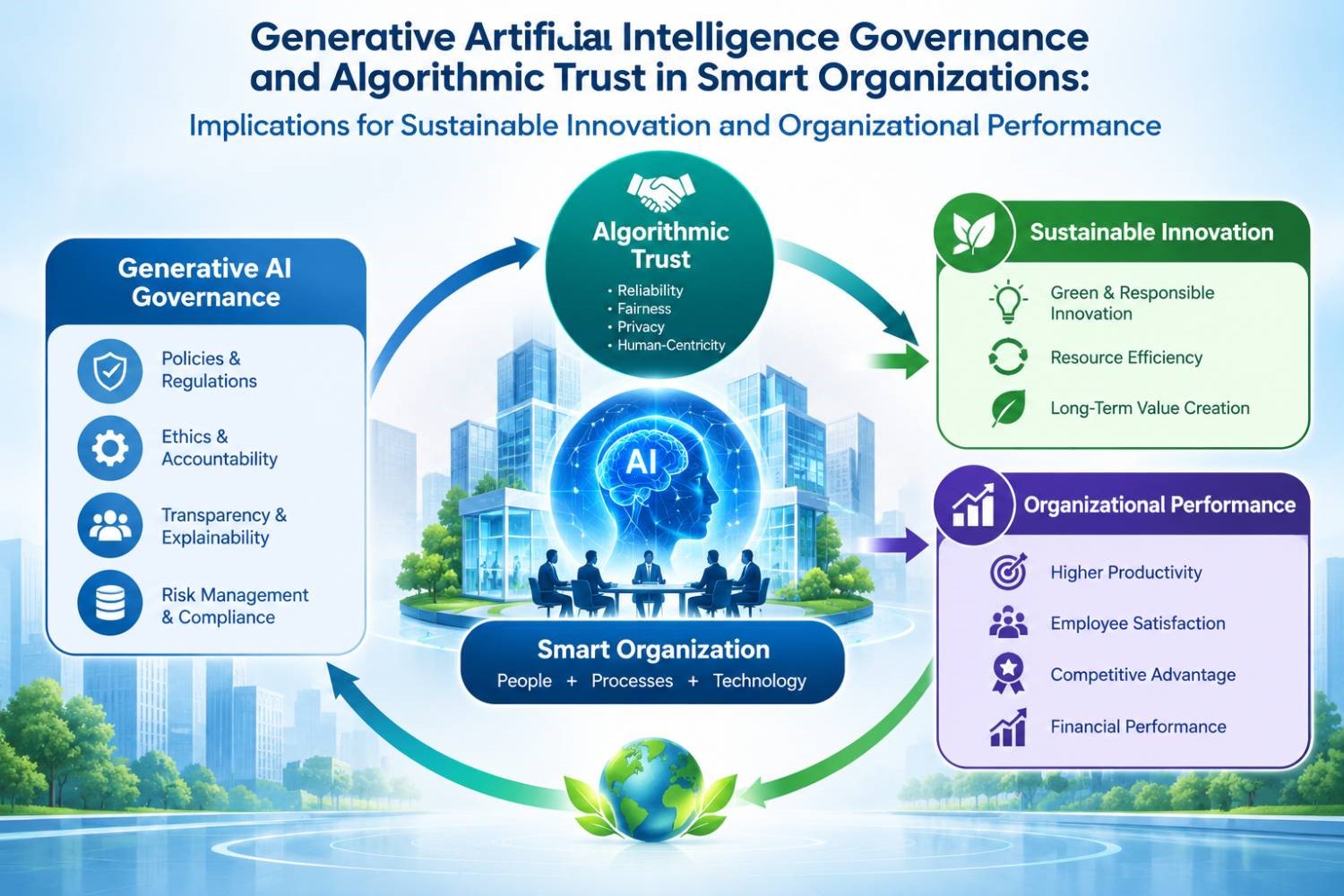
Generative Artificial Intelligence Governance and Algorithmic Trust in Smart Organizations: Implications for Sustainable Innovation and Organizational Performance

Pages 428-442

https://doi.org/10.5281/zenodo.23441177

Masoumeh Cheraghi, Masoud Fallahi, Mohammd Mafi

Abstract Purpose—Generative artificial intelligence (GenAI) is being integrated into knowledge work, organizational decision support, and sustainability-related operations, yet evidence regarding governance, algorithmic trust, and durable organizational value remains fragmented. This article develops an integrated explanation of how responsible governance can enable, rather than merely constrain, the creation of sustainable innovation and organizational performance. Design/methodology/approach—A critical, structured integrative synthesis draws on recent peer-reviewed research and authoritative policy and standards publications issued between 2023 and October 2026. Sources compared through thematic coding across governance architecture, calibrated algorithmic trust, human–AI collaboration, sustainable innovation, and organizational performance. The article proposes constructs, testable propositions, an implementation framework, and a future empirical research design; it does not claim to report original survey or experimental findings. Findings—Governance quality theorized to improve organizational outcomes through calibrated trust and responsible human–AI practices. The effects are contingent on decision criticality, employee AI literacy, accountability arrangements, institutional pressure, and the environmental costs of computation. Trust appropriately calibrated to system reliability rather than maximized. Practical implications—Organizations should combine documented use-case inventories, risk-tiered oversight, evaluation, traceability, worker participation, and multidimensional scorecards. Originality/value—the framework connects governance mechanisms and behavioral trust calibration to an explicitly triple-bottom-line account of innovation and performance, while separating established empirical evidence from propositions requiring testing.

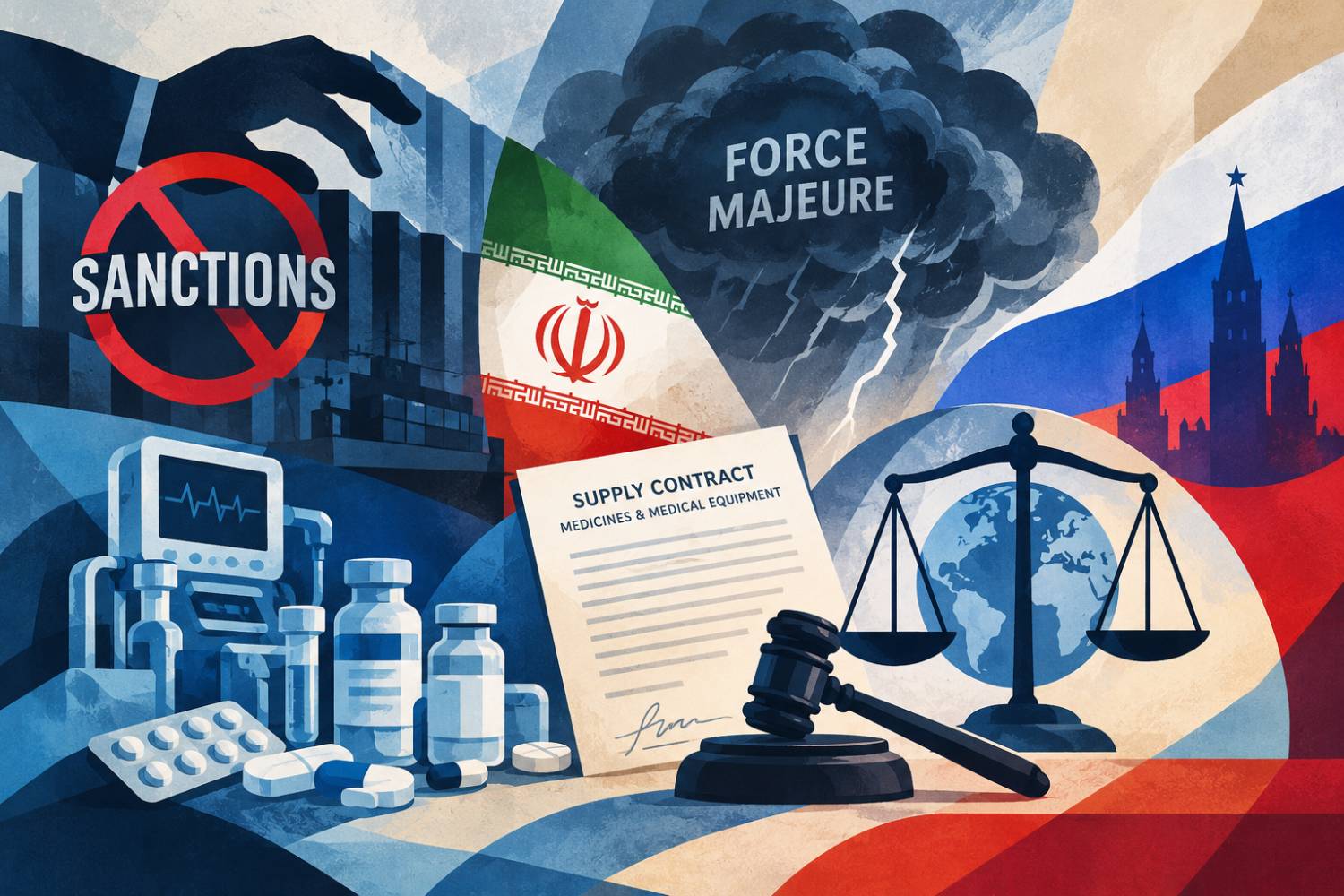
Unilateral Sanctions and Contracts for the Supply of Medicines and Medical Equipment: Challenges of Force Majeure and International Commercial Arbitration with a Comparative Study of Iran and Russia

Pages 443-453

https://doi.org/10.5281/zenodo.23563749

Bahareh Soodi

Abstract Access to medicine is a natural right of every human being. Unilateral sanctions have become one of the most significant factors disrupting the implementation of international contracts for the supply of medicine and medical equipment in sanctioned countries. Although medicine and medical equipment are exempt from many sanctions' regimes under humanitarian exemptions, banking, insurance, and transportation restrictions have seriously hampered the practical execution of these contracts. The present study aims to examine unilateral sanctions and contracts for the supply of medicine and medical equipment, focusing on the challenges of force majeure and international commercial arbitration. This research conducted using a descriptive-analytical method with a comparative-legal approach, based on a documentary study. Research data were collected and analyzed from the United Nations Convention on Contracts for the International Sale of Goods (CISG), the UNIDROIT Principles of International Commercial Contracts, the rules of the International Chamber of Commerce (ICC), the New York Convention of 1958, reports from international institutions, and the specialized literature on commercial arbitration. The findings of the study indicate that unilateral sanctions alone are not sufficient to establish force majeure, and proving such a claim requires demonstrating three conditions: being beyond control, foreseeability, and unavoidability. A comparative study of Iran and Russia showed that in concluded contracts, the element of foreseeability is easier to establish in Russian cases, whereas in Iran, due to the long history of sanctions, arbitrators place greater emphasis on proving the ineffectiveness of humanitarian exemptions. The results indicate that although choosing arbitration and transnational rules can provide greater impartiality in dispute resolution, banking restrictions, fund transfers, and recourse to public policy continue to render the enforcement of arbitral awards difficult.

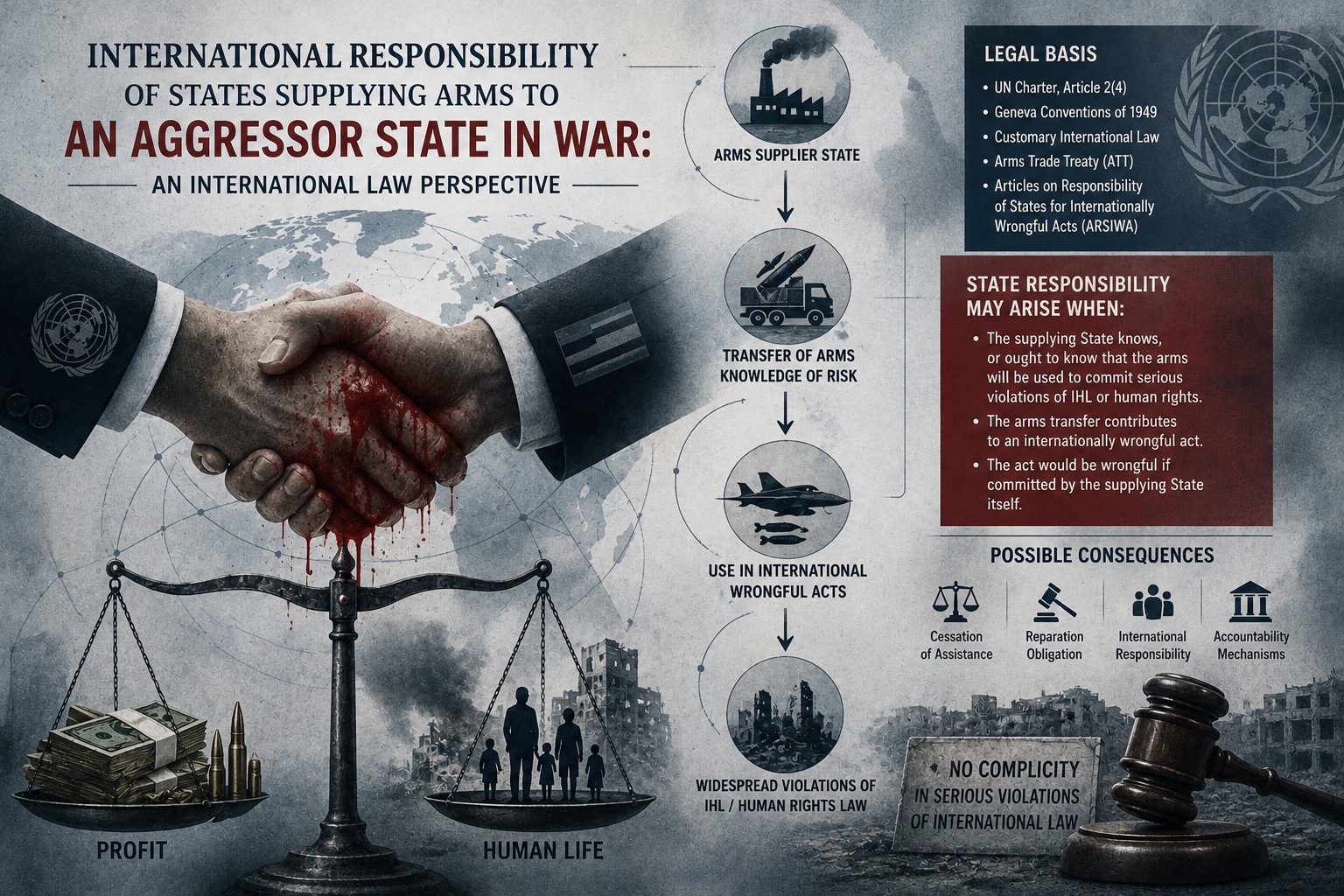
International Responsibility of States Supplying Arms to an Aggressor State in War: An International Law Perspective

Pages 454-471

https://doi.org/10.5281/zenodo.23591538

Ahmad Sohail Yosefi

Abstract A state incurs international responsibility when it commits an internationally wrongful act. Assuming that conduct consisting of an act or omission has occurred, Article 2 of the Draft Convention on the International Responsibility of States requires two elements for an international wrong to be established. First, the act or omission must be attributable to a state under international law. Second, the conduct must constitute a breach of that state’s international obligations. Together, these two conditions provide a sufficient basis for establishing international responsibility. In some cases, the respondent state may argue that its act or omission was justified, for example, on the grounds of self-defence or force majeure. Under international law, such defences or justifications are referred to as “circumstances precluding wrongfulness.” This study aims to explain the international responsibility of states that arm a country recognised as an aggressor in a war. For example, despite international agreements, the United States has supplied Israel with tactical and strategic weapons on a daily basis over the past year. Invoking the concept of self-defence, Israel has waged an extensive war against Muslim countries and has conducted this war with American weapons. Accordingly, this study examines the international responsibility of states such as the United States for international violations involving the supply of arms to aggressor states, including Israel. Two principal issues are considered. The first concerns the conduct of states such as the United States which, despite knowing that Israel uses their weapons in warfare against civilians, may be regarded as complicit in its international crimes. The second concerns the validity of the United States’ reliance on self-defence to justify arms transfers to Israel, a position that faces serious challenges under international law.

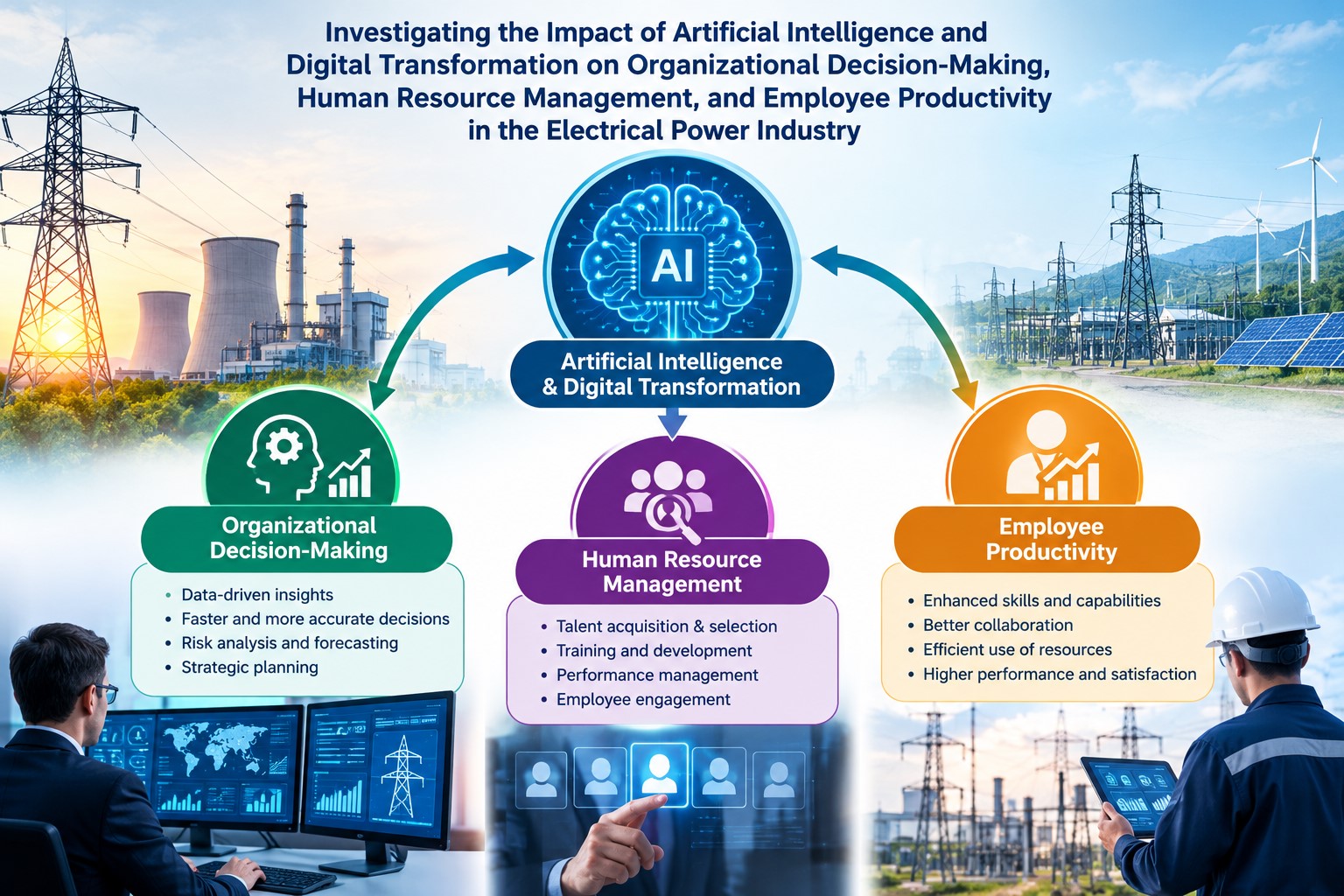
Investigating the Impact of Artificial Intelligence and Digital Transformation on Organizational Decision-Making, Human Resource Management, and Employee Productivity in the Electrical Power Industry

Pages 472-497

https://doi.org/10.5281/zenodo.23841348

Majidreza Shishehbori

Abstract Background: Electrical power organizations are adopting artificial intelligence (AI), digital twins, advanced analytics, and workflow automation while facing aging infrastructure, changing load patterns, scarce specialist labor, and strict reliability obligations. Objective: This article investigates how AI-enabled digital transformation relates to organizational decision-making, human resource management (HRM), and employee productivity in electricity generation, transmission, distribution, and utility support functions. Methods: An integrative, structured narrative review of identifiable 2024–2026 peer-reviewed studies and reports from recognized research and standards organizations was undertaken. A cross-domain evidence matrix aligned operational use cases with organizational mechanisms, workforce outcomes, and assurance requirements. No primary interviews, experiments, or utility microdata were collected; thus no causal effect estimates are claimed. Results: The evidence supports a contingent model in which improved data availability and predictive capability can accelerate routine decisions, prioritize asset work, and support forecasting, whereas gains in human productivity depend on role redesign, training, trust, interoperability, and oversight. Benefits differ materially between office-based knowledge work and physically performed grid tasks. Algorithmic HRM creates opportunities for workforce planning and skill development but can also magnify bias, surveillance, opacity, and stress. Conclusion: Digital transformation is better understood as a jointly technical and organizational capability than as software deployment. A staged, human-accountable governance architecture and a multidimensional evaluation scorecard are proposed for future empirical testing.

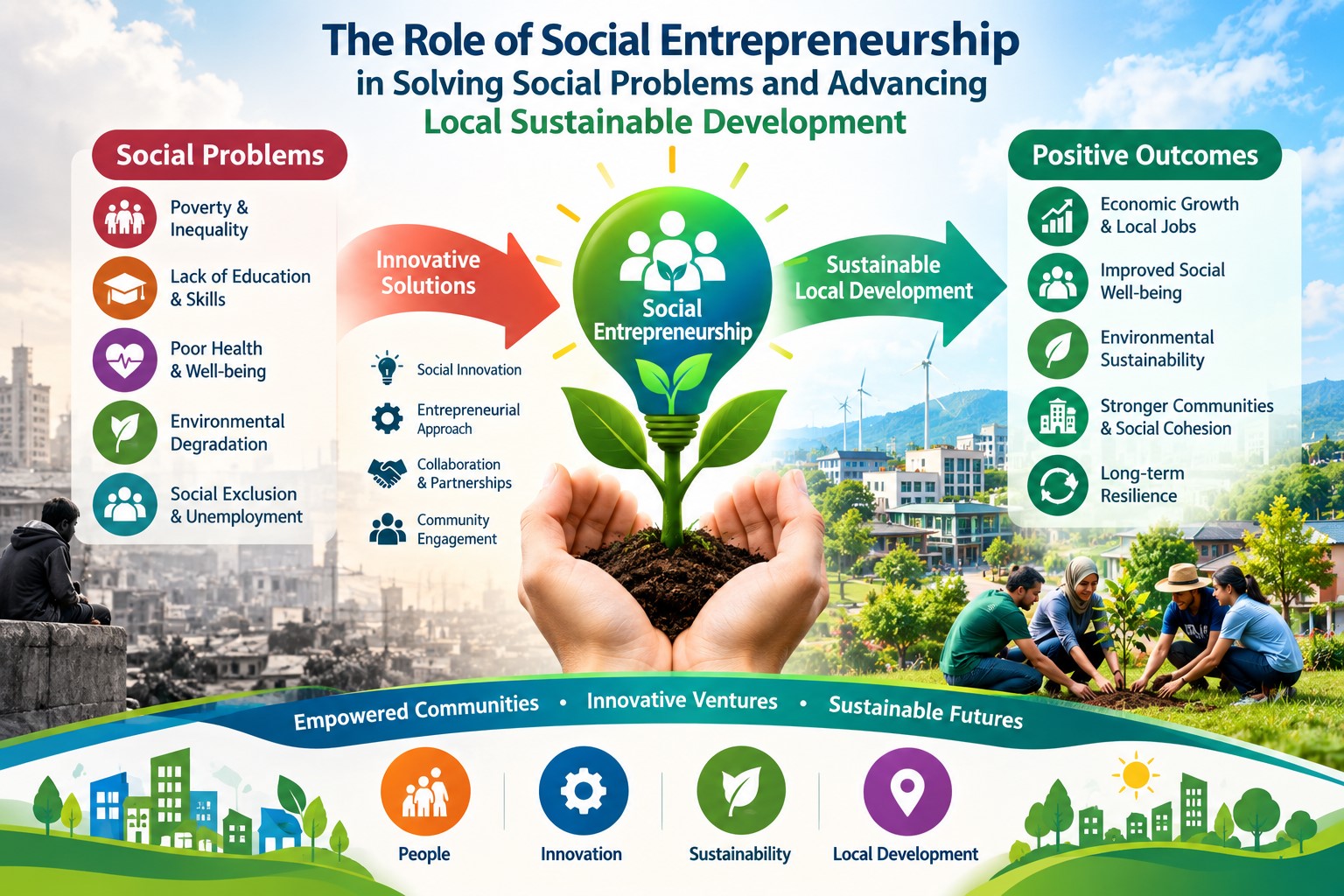
The Role of Social Entrepreneurship in Solving Social Problems and Advancing Local Sustainable Development

Pages 498-516

https://doi.org/10.5281/zenodo.23862344

Amirhossein Rahimian

Abstract Social entrepreneurship occupies an increasingly important position between public service provision, community action and market coordination. Yet its contribution to local sustainable development is often described through success narratives rather than explicit causal mechanisms or comparable outcome measures. This integrative critical review synthesizes recent peer-reviewed research and authoritative institutional publications released during 2024–2026. Rather than presenting a new field experiment, it identifies and evaluates six mechanisms linking mission-oriented enterprise to local outcomes: access to essential services, inclusive employment, community wealth retention, social capital and participatory governance, environmental innovation, and adaptive resilience. Evidence from rural enterprise evaluation, urban township case studies, comparative organizational research, and international policy reports indicates that social ventures can address specific local market and institutional failures, especially when beneficiaries participate in design and governance. However, impact remains conditional on organizational sustainability, the distribution of benefits, external public systems, and credible counterfactual measurement. The review develops a place-based logic model, proposes a multidimensional evaluation dashboard, and specifies a practical policy sequence for municipal and regional ecosystems. It concludes that social entrepreneurship is best understood as a complement to, not a substitute for, equitable public institutions and structural reform. Future studies should prioritize longitudinal designs, geographically explicit spillovers, disaggregated distributional analysis, and more transparent impact claims.

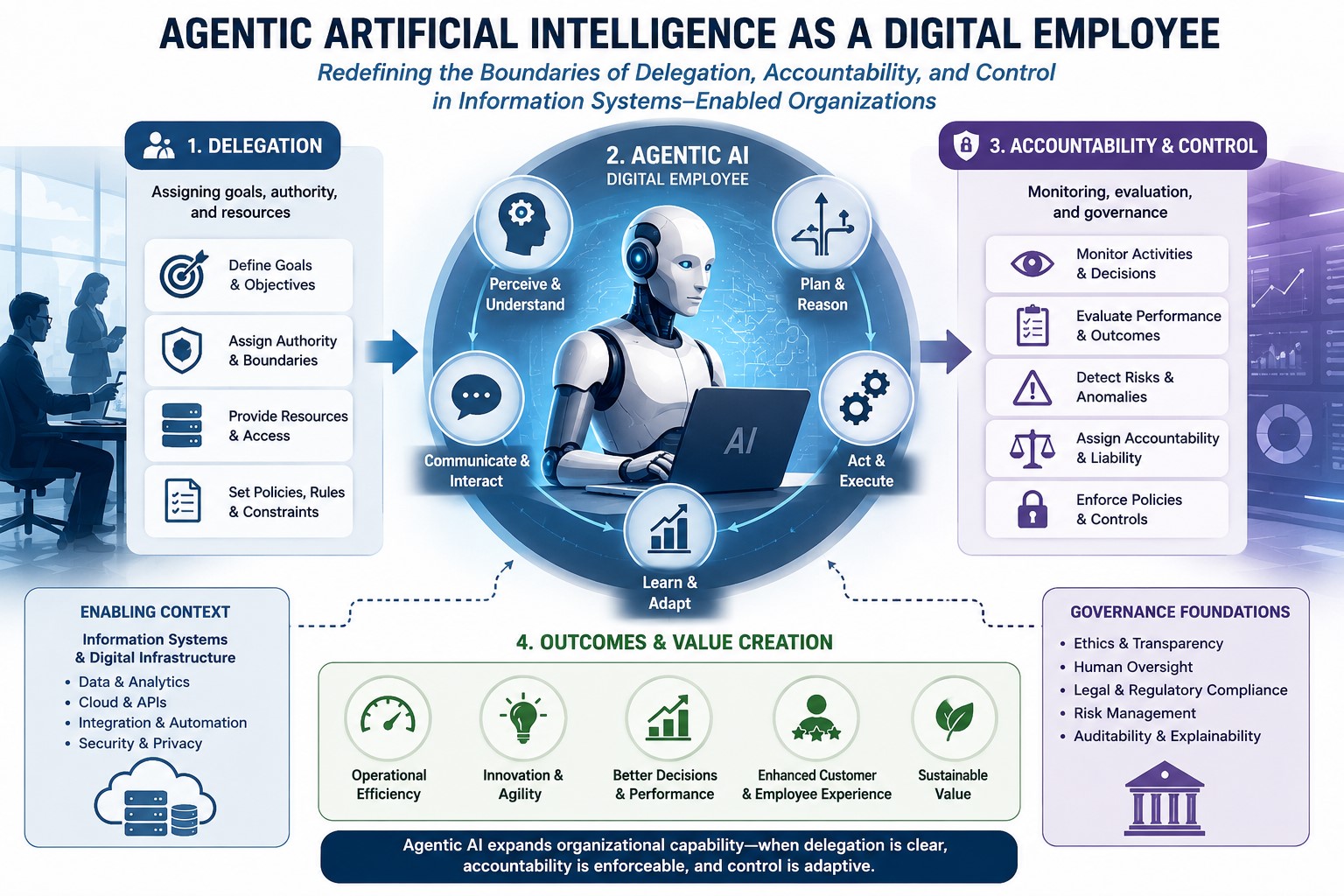
Agentic Artificial Intelligence as a Digital Employee: Redefining the Boundaries of Delegation, Accountability, and Control in Information Systems-Enabled Organizations

Pages 517-526

https://doi.org/10.5281/zenodo.23862457

Seyyedeh Zahra Naseri, Reza Salimi Beni, Hamid Reza Hanif, Masoumeh Cheraghi

Abstract Background and Purpose: The rapid transition from deterministic automation and passive algorithmic decision-support systems to agentic artificial intelligence (Agentic AI) represents an unprecedented ontological shift in enterprise information systems (IS). Unlike antecedent generative models that merely synthesize conversational text, agentic AI operates with persistent internal memory, autonomous multi-step cognitive reasoning, goal decomposition, and self-directed tool and API execution. In contemporary digital organizations, these autonomous systems are progressively onboarded, provisioned, and treated not merely as passive software artifacts, but as synthetic workers or "digital employees." However, this conceptual elevation fractures foundational organizational assumptions rooted in classical agency theory, sociotechnical systems theory, and managerial control architectures. This monograph investigates how enterprise deployment of digital employees redefines the boundaries of delegation, moral and organizational accountability, and managerial control within IS-enabled organizational environments. Design, Methodology, and Approach: To rigorously interrogate this emergent socio-algorithmic reality, an extensive explanatory mixed-methods research design was executed across a 24-month longitudinal investigation (2024–2026). The quantitative phase collected and analyzed empirical survey data from 482 senior enterprise leaders, Chief Information Officers (CIOs), Chief AI Officers (CAIOs), Enterprise Architects, and line managers across four knowledge-intensive industry verticals (Financial Services & FinTech, Healthcare & HealthTech, Global Supply Chain Logistics, and Enterprise Cloud/SaaS). Structural Equation Modeling using Partial Least Squares (PLS-SEM) was employed to empirically test the structural dependencies between perceived agentic autonomy, algorithmic trust, delegation depth, operational agility, and accountability drift. The qualitative phase comprised 38 semi-structured, in-depth key-informant interviews and four comprehensive, longitudinal multi-case studies examining end-to-end organizational deployments of multi-agent architectures (including LangGraph, AutoGen, CrewAI, and proprietary enterprise agent meshes). Rigorous thematic analysis and qualitative comparative synthesis were conducted to deconstruct operational failures, behavioral drift phenomena, and governance adaptations.

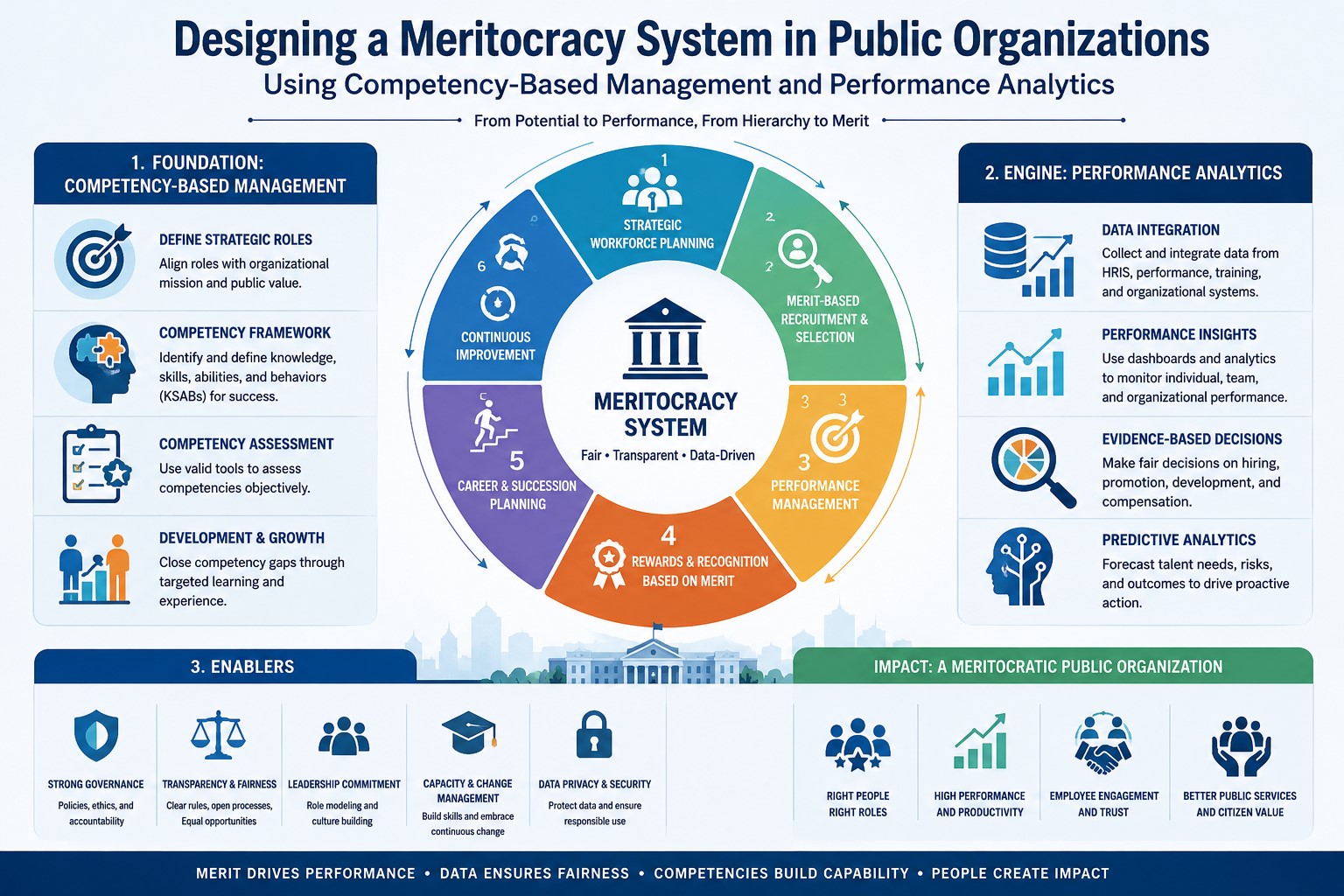
Designing a Meritocracy System in Public Organizations Using Competency-Based Management and Performance Analytics

Pages 527-544

https://doi.org/10.5281/zenodo.23927666

Reza Salimi Beni

Abstract Public organizations need appointment and advancement systems that connect demonstrable capability with public service results while protecting equal opportunity and administrative impartiality. Competency frameworks often describe desirable behavior without specifying how evidence should influence employment decisions. Performance dashboards can make decisions more consistent but may also reward favorable assignments, reproduce historical disadvantage, or obscure political intervention. This article develops an integrated meritocracy system through a targeted synthesis of recent academic and institutional publications from 2024–2026 and an explicit design analysis. The study produces a role-based competency architecture, a contextualized performance measurement model, an auditable decision process, and a prospective validation protocol. Its central design principle is to distinguish eligibility, evidence sufficiency, comparative assessment, and final authorization. Integrity requirements and essential competencies operate as noncompensatory conditions; a transparent composite supports comparison only after these conditions are satisfied. A worked example with six entirely hypothetical candidates demonstrates score calculation, uncertainty bounds, sensitivity to policy weights, and the consequences of missing evidence. The example shows why a small numerical advantage cannot establish a defensible appointment when rankings reverse under plausible weighting changes. The proposed system links decisions to development opportunities, independent review, documented reasons, and monitoring of distributional effects. The results are analytical design outputs, not findings from an implemented organization or evidence of causal effectiveness. Future evaluation should examine measurement validity, procedural justice, service quality, and administrative costs through a staged pilot with independent assessment. The article contributes a practical account of meritocracy as a governed evidentiary process rather than an unqualified ranking of employees.

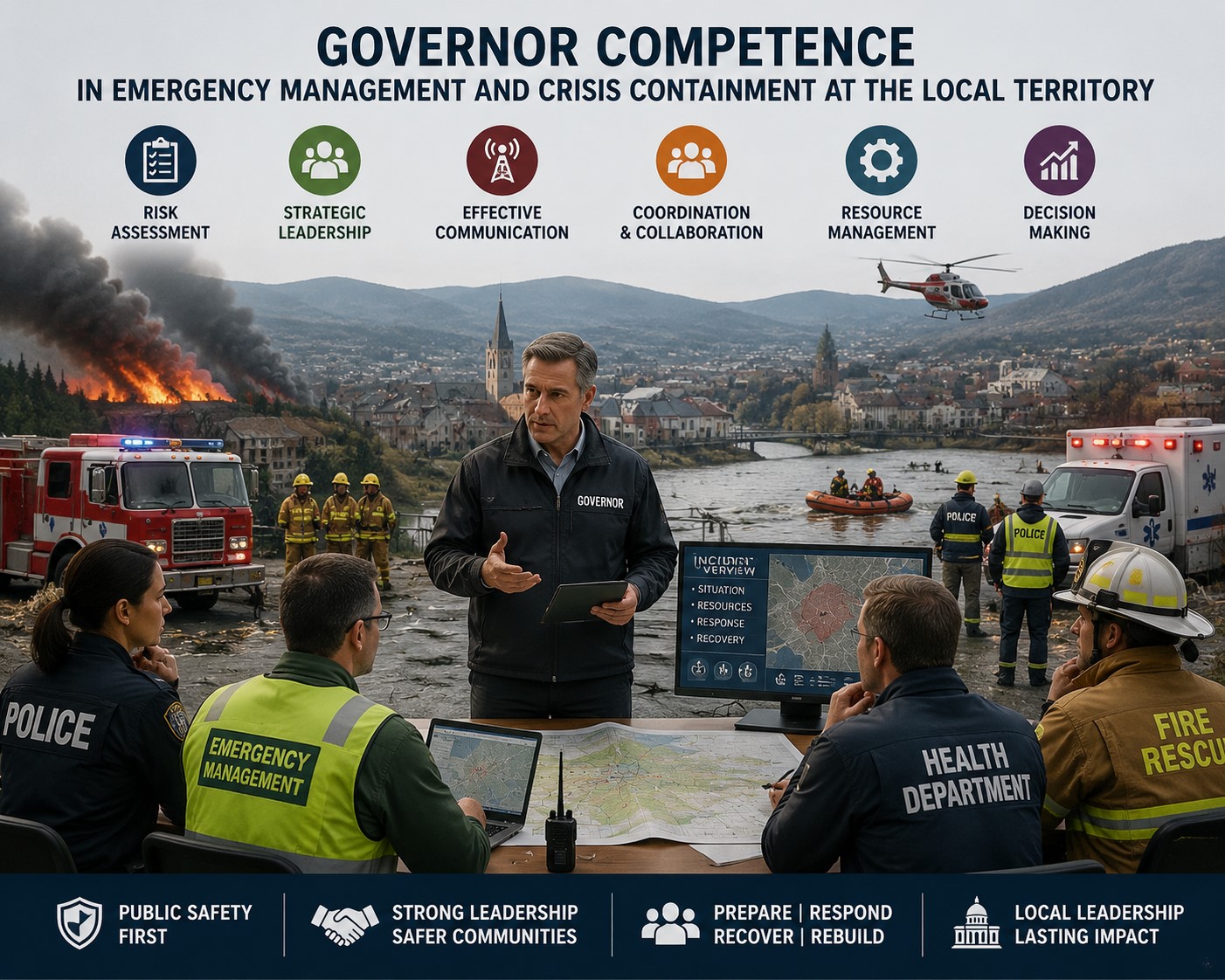
Governor Competence in Emergency Management and Crisis Containment at the Local Territory

Pages 545-554

https://doi.org/10.5281/zenodo.24289477

Mohammad Reza Yazdanyar

Abstract This article examines the legal competence of Iranian governors in managing emergency situations and containing crises within the local territory. The study adopts a descriptive and analytical legal approach and relies on the Constitution of the Islamic Republic of Iran, the Law on the Definitions and Criteria of Country Divisions, the National Crisis Management Law of ۲۰۱۹, the executive regulations concerning the duties and powers of governors and governors general, and other relevant rules governing public administration, civil protection, inter institutional coordination, and the maintenance of public order. The findings indicate that governors, as the highest representatives of the central government at the provincial level and as chairs of provincial crisis management headquarters, possess important responsibilities in risk reduction, preparedness, coordination of executive agencies, mobilization of public resources, organization of emergency response, supervision of relief operations, protection of public safety, and restoration of essential services. Their competence is therefore not limited to administrative supervision but extends to operational leadership and decision making in situations requiring rapid, coordinated, and legally accountable action. Nevertheless, the effective exercise of these powers depends on the observance of the principles of legality, proportionality, accountability, inter institutional cooperation, protection of citizens’ rights, and respect for the distribution of authority between national, provincial, and local institutions. The article concludes that strengthening the professional, legal, organizational, and decision making capacities of governors, clarifying overlapping jurisdictions, improving coordination with the National Crisis Management Organization, and establishing transparent mechanisms for supervision and accountability are essential for effective local crisis governance in Iran.